Roof Inspection Guide: When and Why Northern Virginia Homeowners Need One
Roof Inspection Guide: When and Why Northern Virginia Homeowners Need One

Key Takeaways
- A free roof inspection in Northern Virginia identifies hidden damage before it turns into costly repairs or full replacement
- Northern Virginia homeowners should schedule professional inspections at least twice per year — in spring and fall — plus after any major storm
- A thorough inspection covers shingles, flashing, gutters, ventilation, the attic interior, and the roof deck structure
- Paid inspection reports for real estate transactions or insurance claims typically cost $150 to $400 in the Northern Virginia market
- Catching a small issue during a routine inspection can save $5,000 to $15,000 compared to the cost of the damage it would cause if left unaddressed
A roof inspection in Northern Virginia is the single most effective way to catch problems before they escalate into expensive emergencies. Whether your roof is five years old or twenty-five, a professional inspection identifies wear, storm damage, flashing failures, and ventilation issues while they can still be fixed with targeted repairs rather than full replacement. Most reputable roofing contractors in the region offer free inspections, which means there is no financial barrier to getting the information you need to protect your home and make smart decisions about your roof.
Northern Virginia puts roofs through a demanding annual cycle. Winter brings freeze-thaw conditions that work ice under shingles and expand cracks in flashing seals. Spring thunderstorms deliver wind gusts that test every shingle tab and ridge cap. Summer heat pushes attic temperatures past 140 degrees, accelerating the breakdown of asphalt binders. Fall brings heavy leaf accumulation that traps moisture against the roof surface, especially in wooded communities throughout Woodbridge, Fairfax, and Prince William County. Each of these seasonal stressors creates opportunities for damage that may not be visible from the ground but shows up clearly during a hands-on professional inspection.
This guide covers everything Northern Virginia homeowners need to know about roof inspections — when to schedule them, what inspectors actually examine, how much inspections cost, what the findings mean, and how to use inspection results to make informed decisions about repairs, replacement, and insurance claims.
Why Roof Inspections Matter in Northern Virginia
A roof inspection is not just a maintenance checkbox. It is a diagnostic tool that reveals the actual condition of the most critical weatherproofing system on your home. In Northern Virginia, where the climate delivers four distinct seasons of stress on roofing materials, regular inspections serve three essential purposes.
Preventing Small Problems from Becoming Large Ones
A cracked pipe boot seal costs $75 to $200 to replace. Left undetected for two years, the water intrusion it allows can rot roof decking, saturate attic insulation, and grow mold on structural framing — turning a minor repair into a $3,000 to $8,000 remediation project. A missing ridge cap shingle costs $50 to repair but exposes the ridge vent to driven rain that damages the attic below. These are not hypothetical scenarios. They are the exact types of failures that show up routinely during inspections on homes in Woodbridge, Dale City, Lake Ridge, and throughout Prince William County.
Documenting Condition for Insurance and Real Estate
Insurance companies increasingly require documentation of roof condition when writing or renewing homeowner policies, especially on homes with roofs over 15 years old. A professional inspection report provides the evidence needed to demonstrate that your roof is maintained and functional. In real estate transactions, a dedicated roof inspection gives buyers confidence in their investment and gives sellers proof that the roof is in the condition they represent. The Northern Virginia housing market moves fast, and buyers who skip a dedicated roof inspection risk inheriting a five-figure liability they could have identified before closing.
Planning and Budgeting for Replacement
An inspection gives you a realistic timeline for when your roof will need replacement, allowing you to plan financially rather than reacting to an emergency. If your inspector tells you that your 18-year-old architectural shingle roof has three to five years of remaining life with proper maintenance, you can start budgeting now, explore financing options, and choose materials on your own timeline instead of under pressure. That planning window is worth thousands of dollars in better decision-making.
When to Schedule a Roof Inspection
Timing matters for roof inspections. The right schedule catches problems when they are fresh and small. The wrong schedule — or no schedule at all — lets damage accumulate silently until it announces itself with a leak, a water stain on your ceiling, or a mold issue in your attic.
Twice-Yearly Routine Inspections
The baseline recommendation for Northern Virginia homeowners is two professional inspections per year. Schedule the first in spring, after winter weather has passed, to assess any damage from ice, snow, and freeze-thaw cycles. Schedule the second in fall, before the cold season begins, to catch any summer storm damage and ensure the roof is ready to handle winter conditions. This twice-yearly rhythm aligns with the two seasons that cause the most wear on roofing systems in our climate zone.
Spring inspections are especially important for homes in areas like Dale City and Woodbridge where north-facing slopes retain moisture longer and are more susceptible to ice dam formation during winter. Fall inspections are critical for homes surrounded by mature trees — communities like Lake Ridge near the Occoquan Reservoir and neighborhoods along Minnieville Road where heavy canopy cover drops significant leaf volume onto roof surfaces every autumn.
After Every Major Storm
Northern Virginia experiences severe thunderstorms, occasional hail events, and the remnants of tropical systems that can dump several inches of rain in hours. Any storm with sustained winds above 50 mph, confirmed hail, or heavy prolonged rainfall warrants a post-storm inspection. Storm damage is often invisible from the ground — bruised shingles, lifted seal strips, and compromised flashing can look normal from your driveway but fail catastrophically during the next heavy rain. Post-storm inspections also create the documentation you need if you file an insurance claim.
Before Buying or Selling a Home
If you are buying a home in Northern Virginia, a dedicated roof inspection by a licensed roofing contractor should be part of your due diligence, separate from the general home inspection. General home inspectors examine the roof as one component among hundreds. A roofing specialist spends 45 to 90 minutes examining only the roof, providing a level of detail that a general inspection cannot match. If you are selling, a pre-listing inspection gives you the option to address issues before they become negotiation points or kill a deal.
When Your Roof Reaches 15 Years Old
Most architectural asphalt shingle roofs in Northern Virginia begin showing measurable wear between 15 and 20 years. At the 15-year mark, you should shift from routine maintenance inspections to condition assessments that evaluate remaining useful life. Your inspector should be giving you a realistic timeline and identifying any maintenance actions that can extend that timeline. This is also the age when insurance companies start asking questions about roof condition during policy renewals.
What a Professional Roof Inspection Covers
A thorough roof inspection is not a quick drive-by assessment from the ground. It involves hands-on examination of every component of your roofing system, both from the exterior and from inside the attic. Here is what a qualified inspector examines and why each component matters.
Exterior Inspection Points
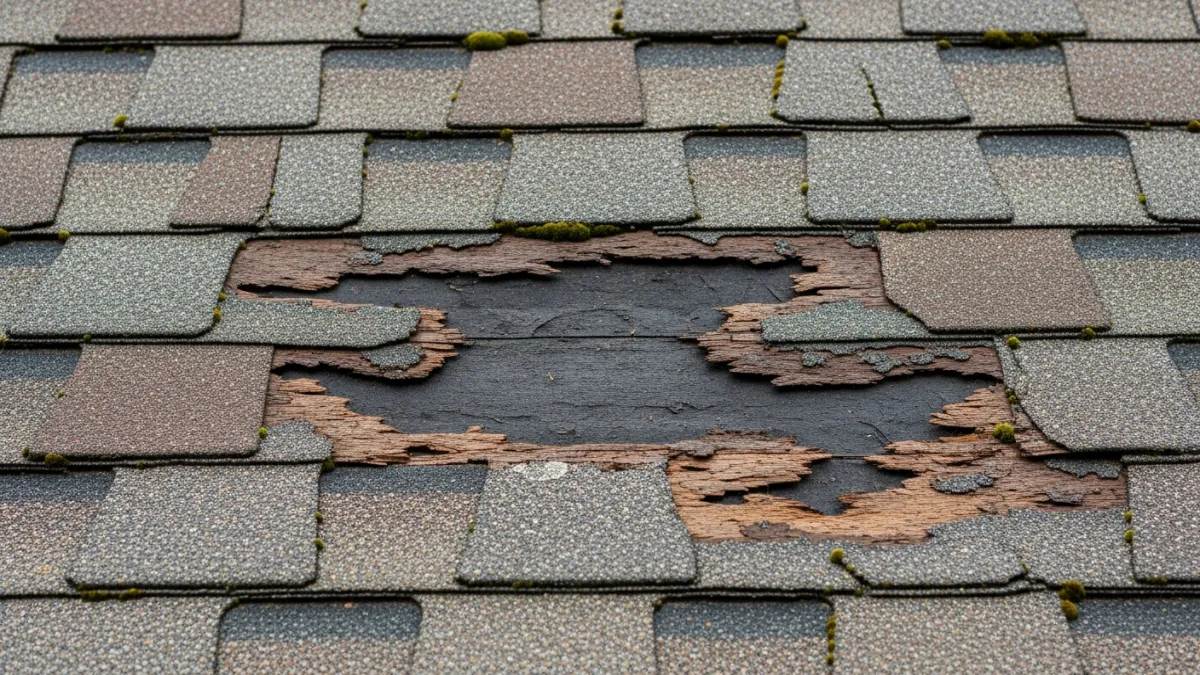
Shingle condition: The inspector examines every visible slope for granule loss, curling, cracking, blistering, and missing shingles. Granule loss is one of the earliest signs your roof needs attention — those granules protect the asphalt layer beneath from UV radiation, and once they are gone, deterioration accelerates rapidly. Curling at the edges or tabs indicates moisture damage or adhesive failure. Cracking develops as the asphalt binder dries out over years of thermal cycling.
Flashing: Every point where the roof meets a wall, chimney, skylight, or other penetration is sealed with flashing — typically aluminum or galvanized steel bent to create a watertight transition. Flashing is one of the most common failure points on any roof because it relies on both mechanical attachment and sealant, both of which degrade over time. The inspector checks for lifted edges, corroded metal, cracked sealant, and gaps that allow water penetration.
Gutters and downspouts: While gutters are not technically part of the roof, they directly affect roof performance. Clogged or improperly pitched gutters allow water to back up under the drip edge and into the fascia boards. Detached gutter sections create cascading water that erodes the foundation. The inspector checks for proper attachment, adequate slope, clear downspout paths, and signs of overflow staining on the fascia.
Ventilation components: Ridge vents, soffit vents, gable vents, and any powered attic fans are examined for damage, blockage, or improper installation. Proper ventilation is critical in Northern Virginia because it removes heat and moisture from the attic, extending shingle life in summer and preventing ice dam formation in winter. A blocked or damaged vent compromises the entire ventilation system.
Penetrations and boots: Every plumbing vent, exhaust fan duct, and other penetration through the roof surface is sealed with a boot or flashing assembly. These rubber or metal seals are among the first components to fail — rubber pipe boots typically last 10 to 15 years before the neoprene cracks and allows water to seep down the pipe into the attic. A single failed pipe boot is one of the most common causes of attic water damage.
Drip edge and eave condition: The inspector checks the metal drip edge along the eaves and rakes for proper installation and condition. They also examine the fascia boards behind the gutters for signs of rot or water damage, which often indicates gutter overflow or ice dam issues.
Interior and Attic Inspection Points
The attic tells an equally important story about your roof. Signs of water intrusion, ventilation problems, and structural issues are often more visible from inside the attic than from the exterior.
Water stains and active leaks: Dark stains on the underside of the roof deck, on rafters, or on attic insulation indicate past or ongoing water intrusion. The inspector traces stain patterns to identify the entry point, which is often several feet away from where the stain appears because water travels along rafters and decking before dripping.
Mold and rot: Persistent moisture in the attic creates conditions for mold growth on framing and decking. Black mold on the underside of the roof deck is a serious finding that indicates both a roof leak and inadequate ventilation. Rot on rafters or decking affects structural integrity and must be addressed before any roof repair or replacement.
Insulation condition: Compressed, displaced, or saturated insulation tells the inspector where water has been entering and how long the problem has been developing. Wet insulation also loses its R-value, meaning your heating and cooling costs increase as a secondary consequence of the leak.
Ventilation adequacy: The inspector evaluates whether the ratio of intake ventilation at the soffits to exhaust ventilation at the ridge meets current standards. Many older Northern Virginia homes were built with insufficient ventilation or have had soffit vents blocked by insulation additions over the years. Inadequate ventilation accelerates shingle aging from the underside and contributes to ice dam formation in winter.
Daylight penetration: If the inspector can see daylight through the roof boards in the attic, that means water and pests can also enter through those same gaps. This finding typically points toward replacement rather than repair.
Types of Roof Inspections
Not every inspection serves the same purpose. Understanding the different types helps you request the right one for your situation.
Routine Maintenance Inspection
This is the twice-yearly inspection that forms the backbone of your roof maintenance program. The contractor examines the roof, identifies any issues, and recommends repairs or monitoring. Many contractors, including Woodbridge Roofers, offer this inspection at no charge because it builds a relationship with homeowners who will need services down the road. The inspection takes 30 to 60 minutes and typically includes verbal findings with follow-up in writing if any issues are detected.
Storm Damage Inspection
After a storm event, this inspection focuses specifically on identifying new damage caused by wind, hail, falling debris, or water. The contractor documents findings with photographs and measurements to support an insurance claim if warranted. This inspection is typically offered at no charge by contractors who will handle the repair or replacement work. The documentation from a storm damage inspection is critical — without it, your insurance claim lacks the professional evidence needed for full reimbursement.
Pre-Purchase or Pre-Sale Inspection
This is a paid, formal inspection that produces a written report documenting the roof condition, estimated remaining useful life, identified deficiencies, and recommended repairs or replacement. Buyers use this report to negotiate price or request repairs before closing. Sellers use it to demonstrate condition or address issues proactively. In the competitive Northern Virginia real estate market, this report can be the difference between a smooth closing and a deal that falls apart over roof concerns.
Insurance-Required Inspection
Some insurance companies require a roof inspection before issuing or renewing a homeowner policy, particularly for homes with roofs over 15 to 20 years old. This inspection certifies the roof condition and may need to follow specific formats or criteria dictated by the insurer. The cost is typically borne by the homeowner but can prevent premium increases or policy non-renewal that would cost far more in the long run.
Roof Inspection Costs in Northern Virginia
The cost of a roof inspection in Northern Virginia depends on the type of inspection you need and whether it is part of a broader service relationship. Northern Virginia pricing runs 15 to 25 percent above national averages, consistent with the higher cost of professional services across the DMV metro area.
| Inspection Type | Low End | High End | Notes |
|---|---|---|---|
| Routine maintenance inspection | Free | Free | Offered by most reputable contractors |
| Storm damage inspection | Free | Free | When contractor handles claim work |
| Pre-purchase / pre-sale written report | $150 | $400 | Formal report with photos and findings |
| Insurance-required certification | $150 | $350 | May follow insurer-specific format |
| Drone-assisted inspection (complex roofs) | $200 | $500 | For steep or difficult-access roofs |
The ROI of Regular Inspections
Consider this calculation: two free inspections per year cost you nothing but an hour of your time. A single undetected pipe boot failure that leaks for 18 months can cause $4,000 to $10,000 in water damage, mold remediation, and insulation replacement. A flashing failure at a chimney that goes unnoticed for a full winter can rot the surrounding decking and framing, adding $2,000 to $5,000 to the cost of your eventual roof replacement. The math is overwhelmingly in favor of regular inspections. The cost of the inspection is either zero or a fraction of one percent of the damage it prevents.
Prices shown are typical ranges for Northern Virginia as of 2025 and vary based on roof size, complexity, and the scope of the report required. Contact us for a free on-site estimate.
What Happens After the Inspection
The value of an inspection lies in what you do with the findings. A competent inspector does not just identify problems — they categorize them by urgency and provide clear recommendations so you can prioritize your response.
Immediate Repairs Needed
These are active issues that are allowing water into your home right now or will fail during the next rain event. Examples include cracked pipe boots, lifted flashing, missing shingles, and damaged ridge caps. These repairs should be completed within days, not weeks. A professional contractor can often address these items during the inspection visit or schedule the repair within the same week.
Monitor and Plan
These are conditions that are developing but not yet causing active damage. Early-stage granule loss, minor seal strip lifting, or small areas of moss growth fall into this category. Your inspector should note these items and check their progression at the next inspection. If the condition worsens, it moves into the repair category. If it remains stable, continued monitoring is appropriate.
Replacement Planning
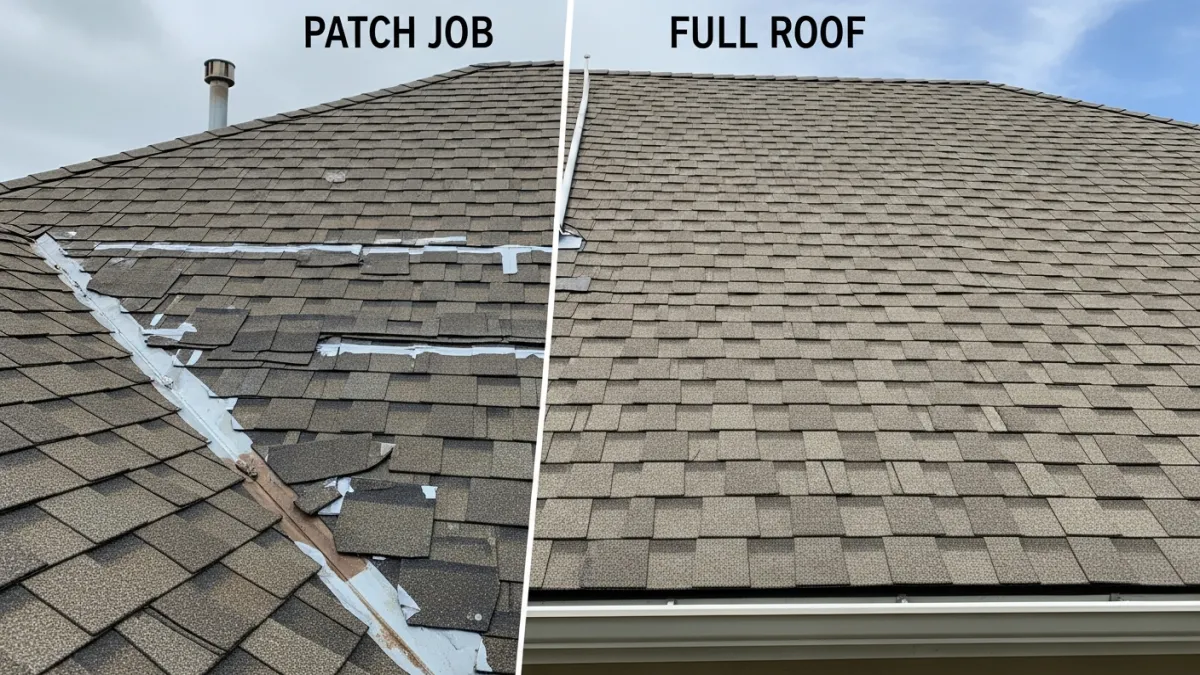
If the inspection reveals that your roof is approaching the end of its useful life — widespread wear across multiple slopes, cumulative damage from years of patching, or structural issues in the decking — your inspector should provide a realistic timeline and a ballpark cost range for replacement. This is not a sales pitch. It is a professional assessment that gives you time to budget, compare roofing materials, and select a contractor on your own terms rather than under the pressure of an emergency. Our roof replacement process guide walks through each step in detail.
Roof Inspections and Insurance Claims
One of the most valuable applications of a roof inspection is supporting an insurance claim after storm damage. Understanding how the inspection ties into the claims process helps you maximize your coverage and avoid common pitfalls.
Documenting Storm Damage Properly
When a storm hits your area, the first step is having a professional roofing contractor inspect your roof as soon as conditions are safe. The contractor documents every instance of damage with photographs, measurements, and notes identifying the type of damage, its location on the roof, and the repair or replacement scope required. This documentation forms the foundation of your insurance claim. Without professional documentation, you are relying on the insurance adjuster to identify all damage — and adjusters who are processing dozens of claims after a regional storm event may not catch everything.
Working with the Insurance Adjuster
Your contractor should be present during the adjuster visit. They can walk the adjuster through the damage findings, point out issues that are less obvious from a cursory examination, and ensure the adjuster includes all affected areas in the claim scope. If the adjuster misses damage or undervalues the repair scope, your contractor can submit a supplement — an additional documentation package that provides evidence for the items the initial adjustment did not include. This supplement process is standard in the insurance industry and is not adversarial. Visit our insurance claims page for more details on how we help Northern Virginia homeowners navigate this process.
Pre-Existing Damage vs. Storm Damage
Insurance covers sudden damage from covered events — wind, hail, fallen trees. It does not cover wear and tear, aging, or deferred maintenance. This distinction is where regular inspection history becomes valuable. If you have documentation from a routine inspection six months before the storm showing your roof was in good condition, it is much easier to demonstrate that the current damage was caused by the storm event rather than pre-existing deterioration. Without that documentation, the insurance company may attribute damage to age rather than the storm, reducing or denying your claim.
DIY Roof Checks vs. Professional Inspections
You can and should keep an eye on your roof between professional inspections. However, there are clear limits to what a homeowner can safely and effectively assess on their own.
What You Can Check from the Ground
- Missing or visibly damaged shingles on slopes you can see from ground level
- Shingle granules accumulating in gutters or at the base of downspouts
- Sagging or uneven rooflines
- Damaged or detached gutters and downspouts
- Moss, algae, or dark streaking on shingle surfaces
- Flashing that appears bent, lifted, or separated at chimney and wall transitions
- Water stains on ceilings or walls inside the home, which may indicate an active roof leak
What Requires a Professional
- Walking the roof surface to evaluate shingle condition up close — this requires proper safety equipment and training
- Inspecting flashing seals and connections at close range
- Evaluating pipe boot condition and seal integrity
- Checking ridge cap shingles and ridge vent attachment
- Assessing attic conditions including ventilation adequacy, mold presence, and deck condition
- Identifying storm damage patterns that distinguish hail bruising from age-related wear
- Providing a documented report that carries professional weight for insurance or real estate purposes
Never walk on your roof to perform your own inspection. Residential roofs are not designed for regular foot traffic, and falls from roofs are among the most common causes of serious injury for homeowners. The risk is not worth the information you would gain, especially when a professional inspection is available at no cost.
How to Choose a Roof Inspector in Northern Virginia
Not all roof inspections are equal. The quality of the inspection depends entirely on the qualifications and thoroughness of the person performing it. Here is what to look for when selecting an inspector in Northern Virginia.
- Virginia DPOR license: Any contractor performing roof inspections should hold a valid license from the Virginia Department of Professional and Occupational Regulation. You can verify license status online in minutes. This is the baseline qualification that confirms the contractor has met state requirements for competence and financial responsibility
- Insurance coverage: Verify that the inspector carries general liability insurance and workers compensation coverage. If someone is injured on your property during the inspection and the contractor does not carry proper insurance, you could be liable
- Roofing-specific experience: A general home inspector and a roofing specialist bring different levels of expertise. For routine checks and real estate transactions, a general inspector may be sufficient. For assessing storm damage, evaluating remaining life, or supporting an insurance claim, you want a licensed roofing contractor who installs and repairs roofs daily
- Local knowledge: A contractor who works regularly in Northern Virginia understands the specific climate challenges, building code requirements, permit processes, and HOA dynamics that affect roofs in this area. Local experience means they know what to look for based on the age and construction type of homes in your specific neighborhood
- Written documentation: Any inspection should produce documentation — at minimum, verbal findings communicated clearly and a follow-up email or message summarizing the results. Paid inspections should produce a formal written report with photographs
Common Inspection Findings on Northern Virginia Roofs
After inspecting hundreds of roofs across Woodbridge, Fairfax, Prince William County, and the surrounding Northern Virginia communities, certain findings appear with predictable frequency. Knowing these common issues helps you understand what your inspector may report and why it matters.
Pipe Boot Failures
The rubber neoprene collar around plumbing vent pipes is one of the first components to fail on any roof. After 10 to 15 years, the rubber dries out, cracks, and allows water to seep down the pipe into the attic. This is a $75 to $200 repair that prevents thousands in water damage. We find cracked or failed pipe boots on roughly one in three roofs we inspect that are over 12 years old.
Flashing Sealant Degradation
The sealant used around chimney flashing, wall flashing, and step flashing joints has a limited lifespan. UV exposure and thermal cycling cause it to crack and pull away from the surfaces it seals. Many homes in Northern Virginia have had their flashing sealant patched multiple times over the years, creating layered, failing seals that look intact but allow water behind them. Proper flashing repair or replacement is one of the most common recommendations that comes out of routine inspections.
Inadequate Attic Ventilation
Many homes built in Northern Virginia during the 1980s and 1990s — which includes a large portion of the housing stock in Woodbridge, Dale City, and Lake Ridge — were built with ventilation systems that meet the code standards of that era but fall short of current best practices. Soffit vents blocked by insulation baffles that were never installed, gable vents that create cross-currents instead of stack-effect ventilation, and insufficient ridge vent length are all common findings. Poor ventilation accelerates shingle aging, contributes to ice dams in winter, and creates moisture conditions that promote mold growth in the attic.
Storm Damage Homeowners Did Not Know About
It is remarkably common for homeowners to be unaware that their roof sustained storm damage. Hail bruising, in particular, is invisible from the ground but clearly detectable by a trained inspector on the roof surface. A bruised shingle has a soft spot where the hail impact broke the fiberglass mat beneath the granules — it looks normal from below but will fail prematurely. We regularly identify storm damage during routine inspections that occurred during a storm the homeowner did not realize affected their roof.
Inspection Frequency by Roof Age: A Practical Guide
The older your roof, the more attention it needs. Here is a practical schedule based on roof age and condition.
| Roof Age | Inspection Frequency | Focus Areas | Typical Findings |
|---|---|---|---|
| 0 to 5 years | Once per year + after storms | Installation quality, warranty compliance | Rare issues; confirms proper installation |
| 5 to 10 years | Once per year + after storms | Pipe boots, sealant, gutters | Early sealant wear, minor gutter issues |
| 10 to 15 years | Twice per year + after storms | Pipe boots, flashing, granule loss | Pipe boot failures, flashing sealant cracks |
| 15 to 20 years | Twice per year + after storms | Overall system condition, remaining life | Widespread granule loss, curling, aging |
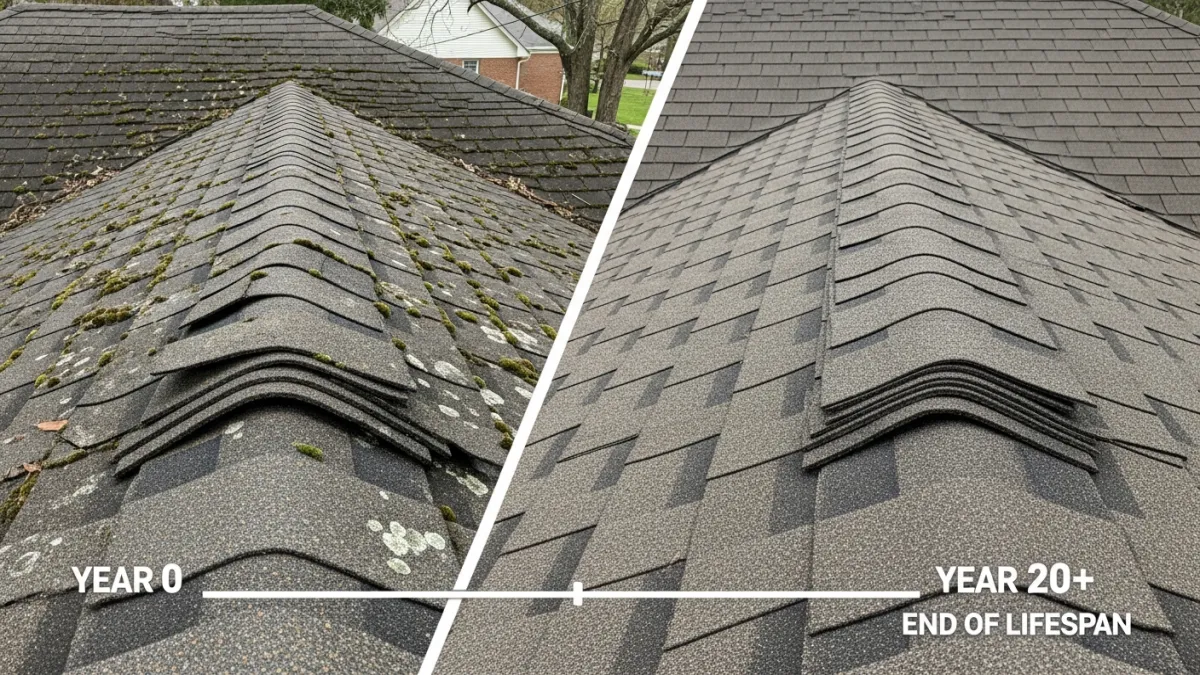
| 20+ years | Twice per year + after storms | Replacement timeline, structural integrity | End-of-life indicators, replacement planning |
Roof Inspection Myths and Misconceptions
Several common beliefs about roof inspections lead homeowners to skip or delay inspections that could save them significant money. Here are the most common misconceptions and the reality behind each one.
Myth: If my roof is not leaking, it does not need an inspection. Reality: By the time water is dripping into your living space, the damage has been developing for weeks or months. Water stains, attic mold, rotted decking, and saturated insulation are all consequences of leaks that could have been caught earlier with a routine inspection. The absence of visible leaks does not mean the absence of problems.
Myth: A new roof does not need inspections. Reality: Even new roofs benefit from a one-year inspection to verify that the installation is holding up properly and that no defects have appeared. Installation issues — improperly sealed flashing, inadequate fastener patterns, or incorrect shingle exposure — sometimes take months to manifest. A first-year inspection catches these warranty-covered issues while they are still easy to fix.
Myth: I can see my roof fine from the ground. Reality: You can see the visible slopes from the ground, but you cannot assess granule loss patterns, seal strip adhesion, pipe boot condition, flashing seals, or ridge cap integrity from ground level. Many of the most consequential findings during an inspection are only detectable from the roof surface or inside the attic.
Myth: Roof inspections are just a sales tactic. Reality: A reputable contractor provides honest findings whether they lead to work or not. Most routine inspections result in a clean bill of health or minor maintenance recommendations. If every inspection ends with a high-pressure pitch for immediate replacement, find a different contractor. The Woodbridge Roofers team provides straightforward assessments you can verify independently.
Schedule Your Free Roof Inspection
Protect your Northern Virginia home with a professional roof inspection from Woodbridge Roofers. We inspect every component — shingles, flashing, ventilation, and attic condition — and give you an honest assessment with no pressure. Call us at (571) 570-7930 or schedule online.
Schedule Free ConsultationFrequently Asked Questions
Conclusion
A roof inspection in Northern Virginia is the most cost-effective step you can take to protect your home, your investment, and your family. Whether you are scheduling a routine check on a roof that is aging, evaluating storm damage after severe weather, preparing for a real estate transaction, or simply wanting to understand how much life your roof has left, a professional inspection gives you the information you need to make smart decisions. The Northern Virginia climate demands more from roofing systems than many other regions, and regular inspections are how you stay ahead of the damage instead of reacting to it.
Do not wait for a leak to tell you something is wrong. Call Woodbridge Roofers at (571) 570-7930 or book a free phone consultation to schedule your inspection. We serve Woodbridge, Dale City, Lake Ridge, Fairfax, Springfield, and communities throughout Prince William County and Northern Virginia. Every inspection is thorough, honest, and designed to give you a clear picture of your roof condition with zero sales pressure.